Category: Sanitary Valve Applications
Adamantvalves Application in Dairy Industry
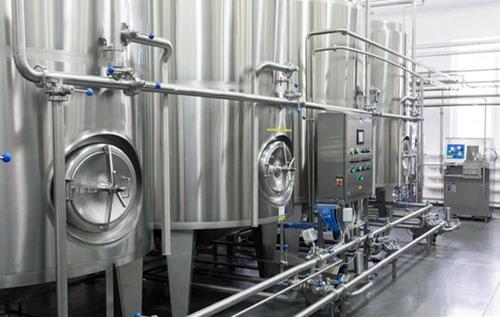
A valve is a device that regulates the flow of a fluid (gases, fluidized solids, slurries, or liquids) by opening, closing, or partially obstructing various passageways. The majority of valves are used in water reticulation, sewerage, oil and gas, power generation, mining, and chemical manufacturing. Moreover, a sanitary valve is designed for use in applications […]
Read moreMain Applications of Nine Valves
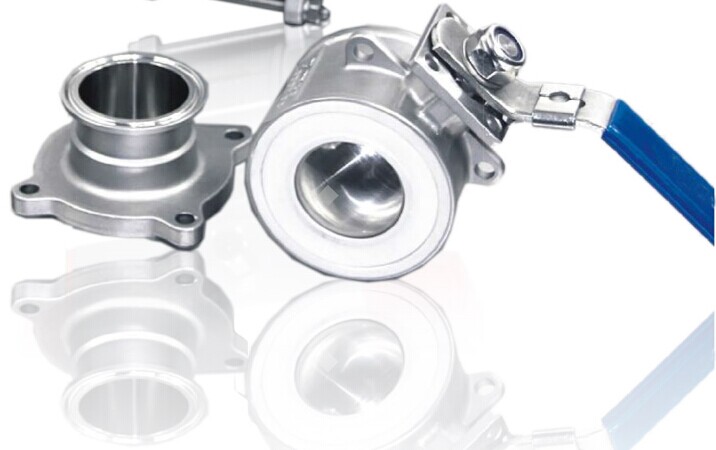
1. Valves for petroleum installations * Oil refining equipment Most of the valves used in oil refining equipment are pipeline valves, mainly including gate valve, globe valve, check valve, safety valve, ball valve, butterfly valve, and trap valve. Gate valve demand accounts for about 80% of the total number of valves (valve accounts for 3% […]
Read moreFood Safety and Sustainability -Two Major Issues for Food Market
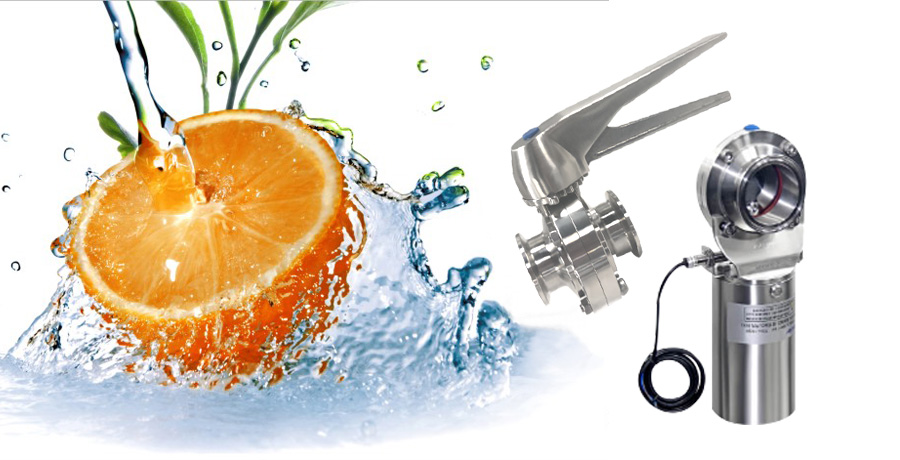
The food industry, which is involved food manufacturers, sanitary equipment producers, and distributors, is facing more and more fierce competition and severe challenges. The competition and challenges have various origins such as world market change, and varying consumers’ demands. One important factor that can affect consumers’ demands is the frequent meteorological disasters in recent years, which have […]
Read moreSanitary Valves for Hygienic Applications
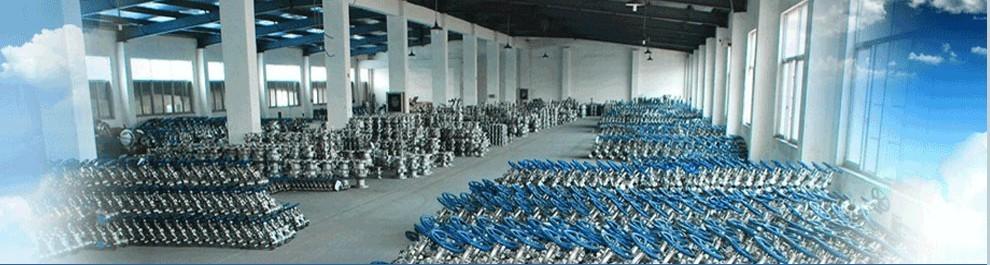
Sanitary valves refer to devices used in applications where more emphasis is placed on cleanliness and sterility. These valves can be classified into different categories depending on the type of valve, the material used to manufacture them, and the type of actuation. The classification according to the actuation is possible because some of the valves […]
Read moreStainless Steel Sanitary Fittings Used in Liquor Industry
The liquor has always been popular all over the world. Stainless steel sanitary fittings play an indispensable role in liquor production. For example, stainless steel retort and cooler are used as essential equipment for liquor production. At present, many liquor production enterprises are upgrading equipment, so stainless steel sanitary pipe will play its role in the […]
Read moreMaterials and handling requirements for food industry
In the sanitary fluid processing industry, besides the various requirements on equipment, there are also some regulations for products materials and handling that deserve special attention. The products materials include water, raw food materials and non-food chemicals; the products handling include transit, storage and other processes. Water In the food industry, water should be supplied […]
Read moreSanitary Valves in Our Daily Life
How Are Valves Used in Everyday Life? Everyone has heard the word “valve” before. And almost everyone is familiar with using common valves. We all use valves in our daily lives, from our kitchen to other areas like the garden or bathroom. Sanitary valves refer to a type of valve used in places with high […]
Read moreWhat Kinds of Valves are Used in Different Industries?
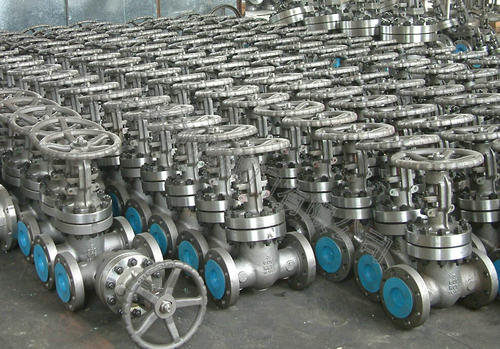
Urban Gas Urban gas accounts for 22 percent of the total natural gas market, with many types and large volumes of valves. Ball valves, plug valves, pressure relief valves, and relief valves are often required. Urban heat supply A large number of metal-sealing butterfly valves, horizontal balancing valves, and directly buried ball valves are needed […]
Read moreSanitary Security And Inspections For Food Industry
Consumers should never lose awareness of the sanitary threats brought by convenience foods and drinks. Some convenience stores may be carried and sold food improperly prepared or even expired, which will probably bring the consumers serious physical upset and disorder. There are definite and specific sanitary standards for every step during food and beverage preparation. […]
Read moreSanitary Diaphragm Valves for Medicine
What is a sanitary diaphragm valve? A sanitary diaphragm valve is considered a highly hygienic valve due to its mode of operation. This technique is called “input from above.” The upper inlet facilitates the welding and extraction of the clamps during the maintenance of the valve. Sanitary diaphragm valves in the pharmaceutical industry Sanitary diaphragm valves […]
Read more