Category: Sanitary Valves News
Manual Valves vs. Pneumatic Valves vs. Electric Valves: How to Choose
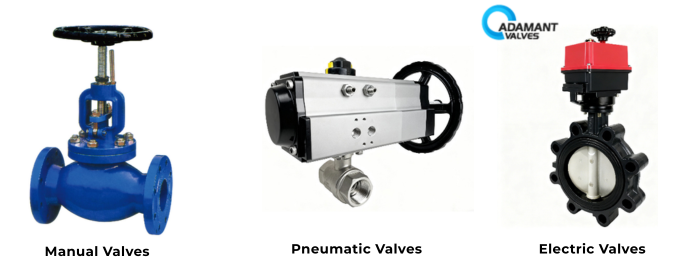
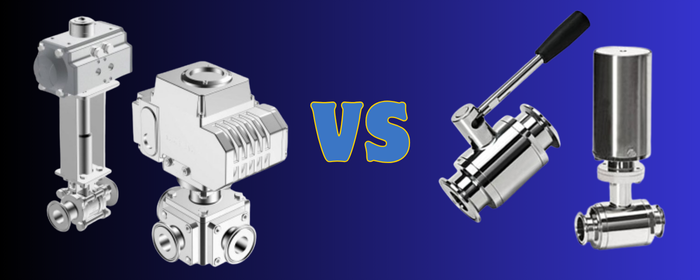
Manual Valves, Pneumatic Valves, and Electric Valves Manual Valves are the most basic and traditional type. An operator turns a handwheel, lever, or gear. This mechanical action (via a stem, nut, etc.) moves the valve’s internal part (like a gate, ball, or disc) to open, close, or adjust the flow. Simple as that. Pneumatic Valves run on […]
Read moreSanitary Valve Selection Guide: Key Features, Applications & Selection Criteria
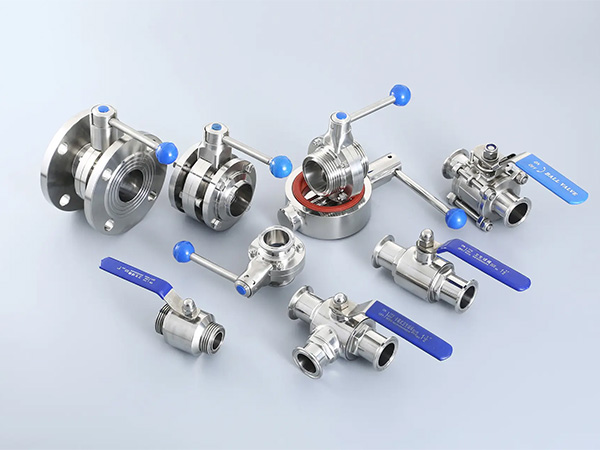
Sanitary valves are critical components designed for industries with stringent hygiene requirements, such as pharmaceuticals, food, and beverages. Their key features focus on three areas: material selection, surface finish, and sealing design. Made from stainless steel grades 304SS or 316, they are electropolished to achieve a smooth surface and paired with food-grade sealing materials like […]
Read more9 Common Misconceptions in Installing Sanitary Valves
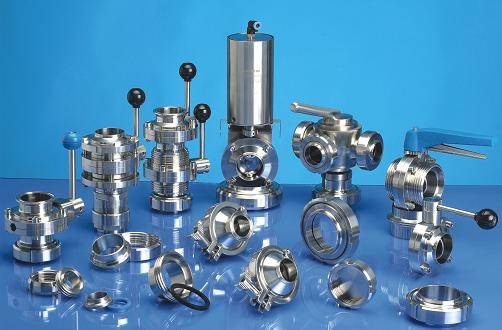
In water supply and industrial piping systems, the quality of valve installation directly impacts the system’s reliability, maintenance efficiency, and service life. Although the installation process may seem straightforward, hidden risks are often introduced due to negligence of details. This article outlines nine common misconceptions encountered during the installation of sanitary valves, helping engineers and […]
Read moreWafer Valves: The Compact and Efficient Solution for Flow Control
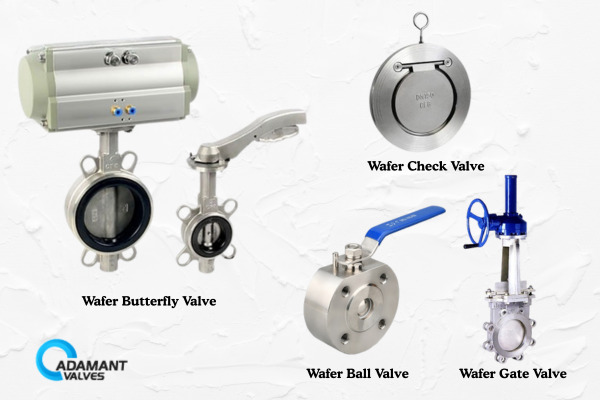
In industrial piping systems, valve selection directly impacts cost, efficiency, and reliability. Among various valve designs, the wafer valve stands out as an excellent solution for applications where space and budget are constrained, thanks to its unique design concept. This article will explore the key features, installation process, common types of wafer valves, and clarify the distinction […]
Read moreSanitary Valve Seal Materials Guide
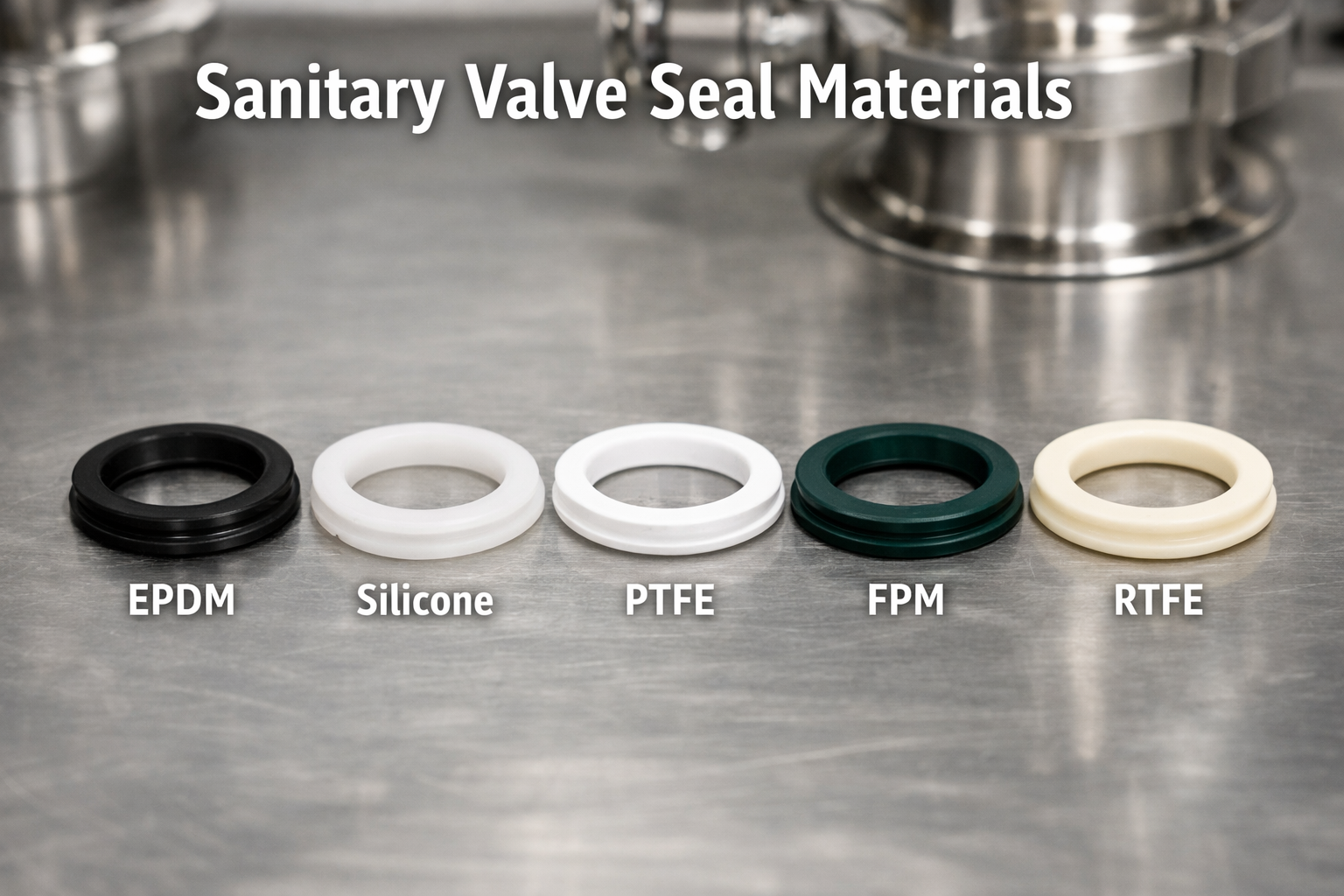
In hygienic process industries such as food & beverage, pharmaceuticals, and biotechnology, valves are not just devices for controlling fluid flow—they are critical barriers that ensure product quality and safety. A minor seal failure can lead to contamination of an entire batch, production line shutdown, or even serious sanitary incidents. One of the key factors […]
Read moreDetailed Explanation of Control Valve Cv Value: Definition, Measurement and Sizing Guide
The performance of the control valves directly influences the general operational efficiency and stability in fluid control systems. Among key parameters, the Cv value acts as a critical metric to evaluate flow capacity, hence playing a very vital role in valve selection and system design. What is the Cv Value? Cv, or Flow Coefficient, is […]
Read morePressure Relief Valves and Pressure Reducing Valves: Knowing Their Roles
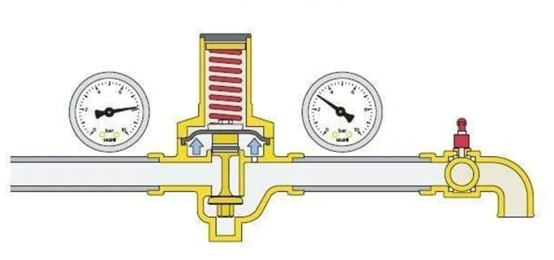
In plumbing and process systems, the management of fluid pressure goes beyond just issues of performance-it is a basic safety requirement. Even though these valves have similar-sounding names, pressure relief valves and pressure reducing valves serve two entirely different purposes. Confusing them is not merely a technical mistake, but can be a critical safety lapse. […]
Read moreAre Pressure Relief Valves the Same as Safety Valves?
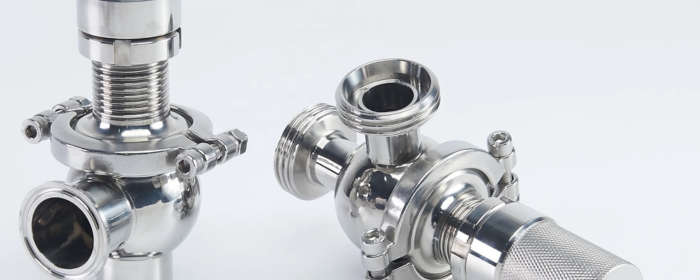
According to U.S. standards and regulations, Safety Valves and Pressure Relief Valves are a family of valves applied for different purposes. There are some key differences between them in application and working principles. While both are overpressure protection devices, safety valves are designed for gas or steam and open instantly to full capacity. In contrast, […]
Read moreSingle Check Valve vs. Double Check Valve
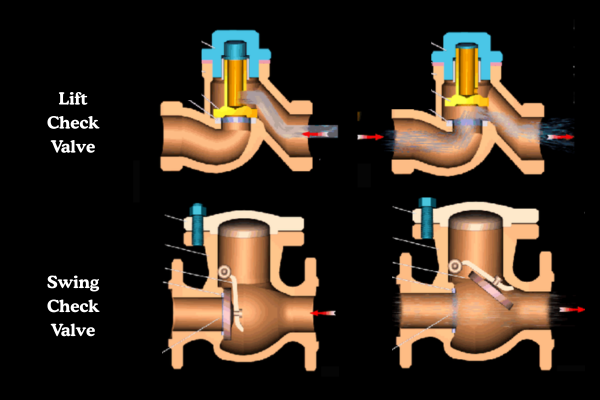
What is a Single Check Valve? A single check valve, as the name suggests, usually consists of a single flap. The flap is fixed to the valve cover and operates by rotating to open or close the valve. When fluid flows forward, the flap rotates upward to open the valve, allowing fluid to pass through […]
Read moreTitanium vs. Stainless Steel Sanitary Ball Valves
Choosing the right materials is a critical decision, since it directly impacts the quality of sanitary ball valves. Titanium and Stainless Steel stand out because of their superior performance. While both are excellent, they serve different purposes. Understanding their unique properties will guide you to the correct choice. Stainless Steel Sanitary Ball Valves Stainless steel […]
Read more