Category: Valve Operation
Functioning Mode of Pilot-operated Sanitary Relief Valves
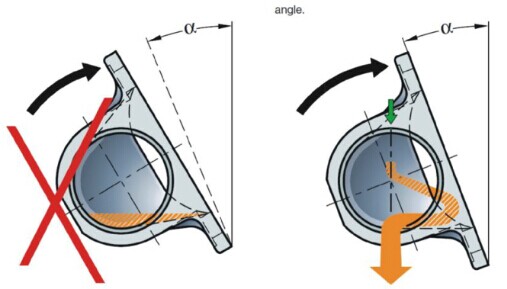
How do pilot-operated relief sanitary relief valves work? The pressure of a pilot-operated sanitary relief valve is provided on the upstream side (the system being protected) at the dome often by a small pilot tube. The downstream side is the pipe or open-air where the PORV directs its exhaust. The outlet pipe is usually larger […]
Read moreCommon Causes of Valve Sealing Failure and Leakage
Sanitary valves are control components that provide diversion, cut-off, throttling, check, diversion or overflow, and pressure relief in pipeline fluid conveyance systems. Valve sealing is a critical factor when safely processing and transporting fluids and gases. Even a small valve seal failure or a slowly dripping valve leak can quickly lead to a catastrophic flood, […]
Read moreTypical Failures of Pilot Relief Valve
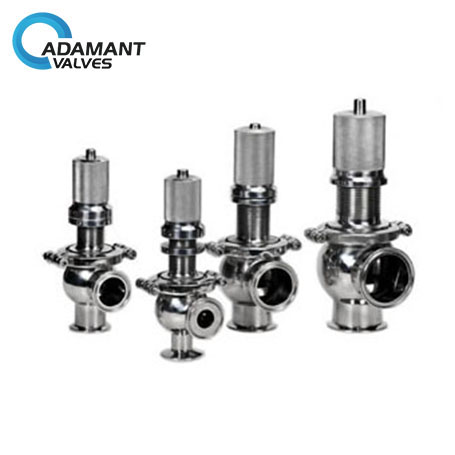
With the development of construction machinery hydraulic system towards the direction of medium, high and ultra-high pressure, pilot relief valve is widely used in the oil control pipelines of construction machinery hydraulic systems. In practice, in order to maximize its efficacy and protect the control system, accurate and timely diagnosis and troubleshooting of sanitary relief valve […]
Read moreHow to use Pneumatic Sanitary Valves?
The pneumatic sanitary valve adopts standard electronic polishing, a smooth surface to ensure the cleaning, and it has no media accumulation area and will not generate potential pollution, which is widely used in food, pharmaceutical, cosmetic, clean steam, liquor, beverage, and biochemical industrial process control. Attention should be paid to the use of the pneumatic sanitary valve […]
Read more