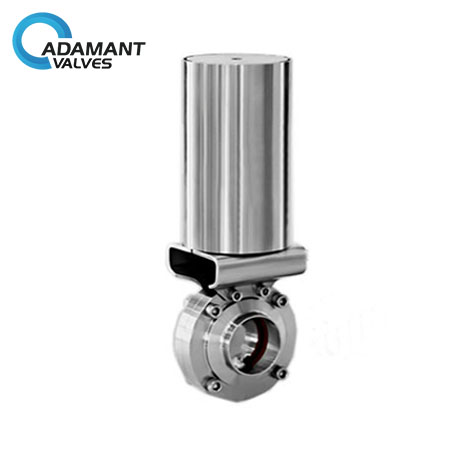
Stainless Steel Sanitary Butterfly Valves
What is the sanitary butterfly valve?
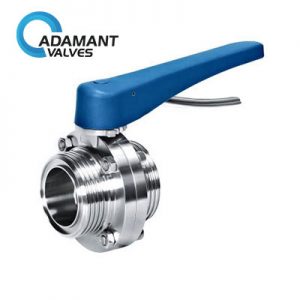
Sanitary butterfly valve, also called a hygienic butterfly valve, is a type of flow control device. It is a form of Butterfly Valves whose valve body, valve disc, and other components are fabricated out of stainless steel. Sanitary butterfly valves are used to make a fluid start or stop flowing through a section of pipe for these devices in applications such as food and beverage processing, personal care, biomedical, or pharmaceutical industries.
Type: Butterfly Valve
Reference No.: AV-1
Sizes: 1″ – 4″
End Types: Tri-clamp, Threads, Butt-weld, Flange
Materials: 304 – 316L
Operation: Manual, Pneumatic
Adamant Valves AV-1 series stainless steel sanitary butterfly valves Appication
AV-1 series stainless steel sanitary butterfly valves are widely used in the petroleum, metallurgy, plumbing, food, biopharmaceutical, and chemical industries;
AV-1 series stainless steel sanitary butterfly valve, sanitary fittings are high-quality products. They can be used for dairy, pharmaceutical, beer, beverage, edible oil, and other industries to meet their professional requirements.
The Selection of the Size and Type of Butterfly Valve
Adamant Valves AV-1 series stainless steel sanitary butterfly valves advantages
AV-1 series sanitary butterfly valve has many advantages such as removable connection, simple structure, and easy maintenance;
AV-1 series butterfly valve rubber seals and valve plates are high-quality pieces to ensure the use of performance and service life;
Adamant valves can provide valve body and disc materials such as AISI 304 or AISI 316L, 304L, and 316 materials, automated or manual operation valve according to your requests.
Working Principle of Butterfly Valves
As you’ll see in the video below, a butterfly valve opens and closes by rotating a disc—known as the “butterfly plate”—via its valve stem.
When the butterfly plate rotates parallel to the flow direction, the valve is fully open, offering minimal flow resistance.
When the plate rotates 90° to become perpendicular to the flow direction, it presses tightly against the valve seat and completely shuts off the flow path.
Therefore, the core operation of a sanitary butterfly valve is a 90° rotation that enables quick opening/closing and reliable flow control.
Sanitary Butterfly Valves Video
How to Maintain Sanitary Butterfly Valves
- Proper valve maintenance is crucial for extending its service life.
- Avoid excessive force or rotation beyond 90°. Ensure the valve operates only in fully open or fully closed positions to prevent unnecessary stress on the butterfly plate and valve seat.
- Perform regular cleaning and sterilization to prevent residual media from corroding the seals and valve body.
- Periodically inspect elastic sealing components such as rubber or PTFE valve seats for wear, aging, or deformation, and replace them promptly.
- Select the appropriate valve model based on actual operating conditions (e.g., temperature, pressure, media characteristics). When not in use, store the valve clean and dry in a cool location.
Read more:
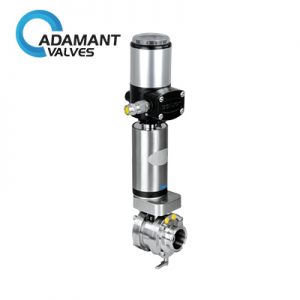
AV-1-S0411 Mixing Proof Butterfly Valve With Flameproof Control Unit
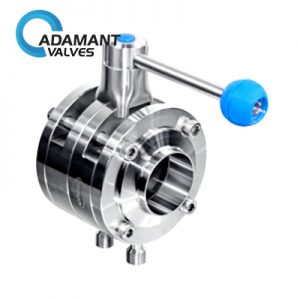
AV-1-S0412 Mixing Proof Butterfly Valve
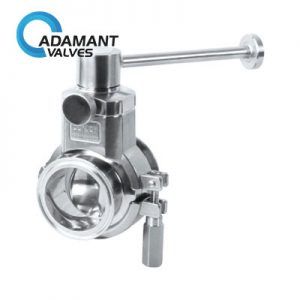
AV-1-S0413 Powder Butterfly Valve
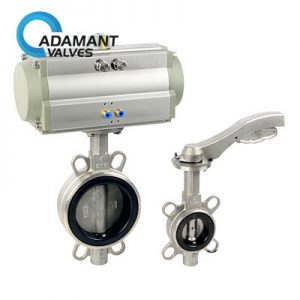
AV-1-S0414 D71 Wafer Type Butterfly Valve
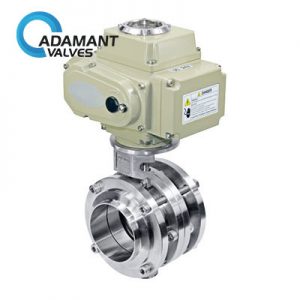
AV-1-S0415 Electric Regulating Butterfly Valve
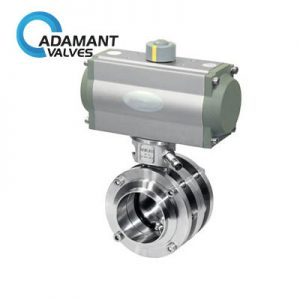
AV-1-S0416 Horizontal Pneumatic Butterfly Valve
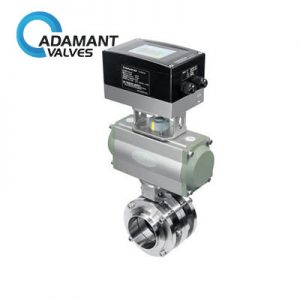
AV-1-S0417 Pneumatic Butterfly Valve With Positioner
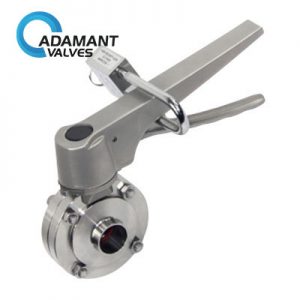
AV-1-S0418 Butterfly Valve With Locking Handle