
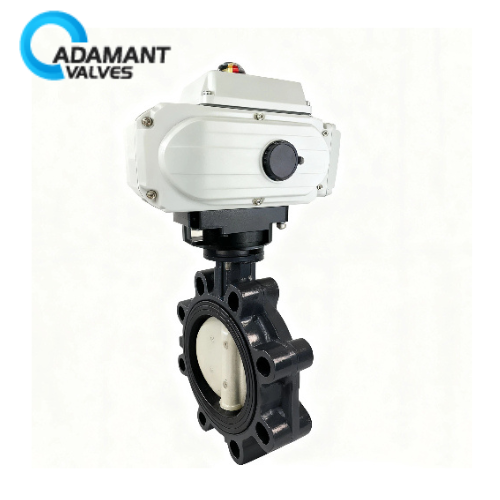
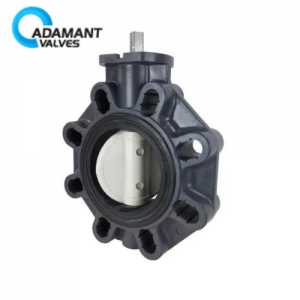
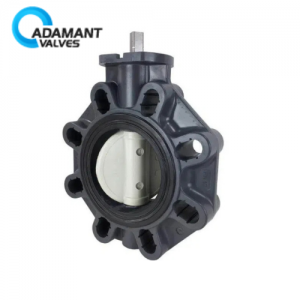
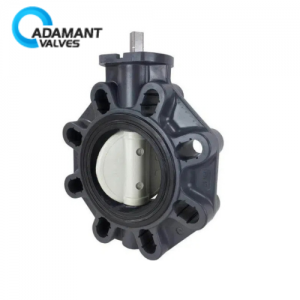
AV-1-S0700 Electric Actuated PVC Butterfly Valves 110 VAC with EPS Positioner 4-20mA Input (10 inches)
| Parameter | Value |
| Size | 10 inches |
| Material | PVC |
| Seal Options | EPDM |
Electric Actuated PVC Butterfly Valves 110 VAC with EPS Positioner 4-20mA Input (10 inches) Description
Electric Actuated PVC Butterfly Valves 110 VAC with EPS Positioner 4-20mA Input (10 inches) is engineered to regulate fluid flow in sanitary installations by utilizing an automated actuation method. The valve supports applications in water treatment, food processing, and pharmaceutical production by ensuring controlled flow in hygienic environments.
Key Features:
– Actuation Mechanism: Integrates a 110 VAC actuator and EPS Positioner to achieve accurate valve modulation.
– Material Composition: Utilizes PVC to promote chemical resistance and ease of cleaning under sanitary conditions.
– Seal Integrity: Implements EPDM seals to sustain closure performance under a pressure rating of 150 PSI.
– Cycle Performance: Achieves a 90° cycle time of 45 seconds to optimize routine operational cycles.
– Signal Interface: Incorporates a 4-20mA input, facilitating integration with standard process control systems.
Electric Actuated PVC Butterfly Valves 110 VAC with EPS Positioner 4-20mA Input (10 inches) Specifications
| Parameter | Value |
| Size | 10 inches |
| Material | PVC |
| Pressure | 150 PSI |
| Seal Options | EPDM |
| 90° Cycle Time | 45 |
| Voltage | AC 110 |
The above product information is based on theoretical data and is for reference only. Actual specifications may vary.
Electric Actuated PVC Butterfly Valves 110 VAC with EPS Positioner 4-20mA Input (10 inches) Applications
- Water Treatment: Provides regulated flow control to maintain hygiene and operational integrity.
- Food Processing: Manages ingredient flow to uphold processing standards in sanitary environments.
- Pharmaceutical Production: Facilitates precise control of fluids, contributing to process consistency.
- Chemical Handling: Supports controlled isolation of fluids during material processing.
Be the first to review “AV-1-S0700 Electric Actuated PVC Butterfly Valves 110 VAC with EPS Positioner 4-20mA Input (10 inches)”
Related Products
AV-1MCL Sanitary Butterfly Valves with Tri-clamp Ends, SS Lever Handle
AV-1WHO Sanitary Wafer Butterfly Valve, Handle Operator
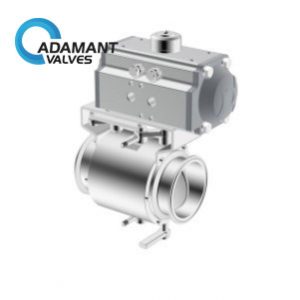
AV-1MD Sanitary Titanium Mix Proof Butterfly Valve D07.3
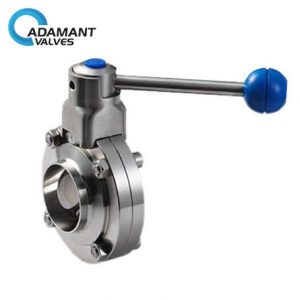
AV-1MW Sanitary Butt-weld Butterfly Valve with Pull Handle
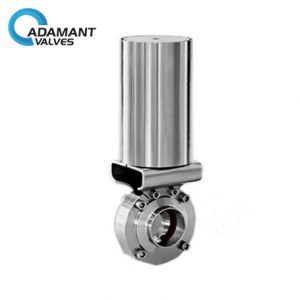
AV-1PW Sanitary Butterfly Valves with Butt-weld Ends, Pneumatic Operation
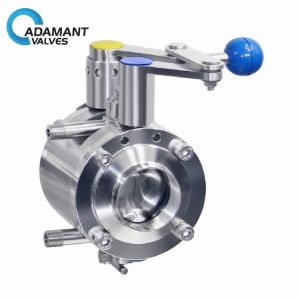

Reviews