Category: Sanitary Valves News
Features and Pricing of Sanitary Valves
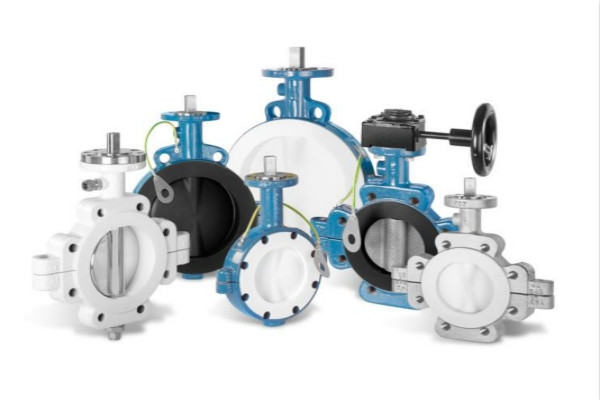
As the name suggests, sanitary valves have been designed for use in areas that require sterile or clean processing. You will find their applications in the food, medical, dairy, chemical, and pharmaceutical industries. Their common features are crevice-free, polished surfaces, and easy cleaning. The media flowing through these valves include liquids, gases, and those liquids […]
Read moreThe Overview of Light Gate Valve
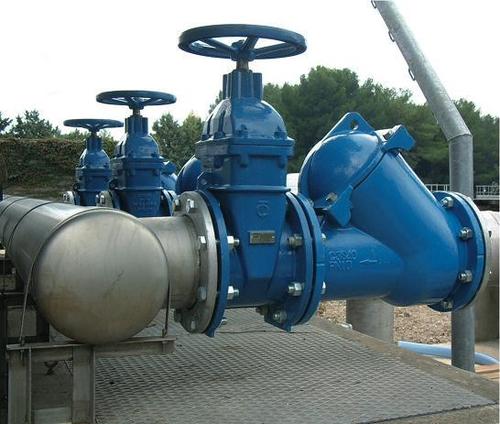
The flat plate gate valve is a kind of single gate plate valve or double gate plate valve with a distraction mechanism. The flat plate gate valve is prone to leakage when the pressure of the medium is low. To ensure good sealing of sanitary valve under full pressure, sufficient preload needs to be applied to […]
Read moreList of Valves
What are Valves in Engineering? Valves are devices in fluid or gas processing systems used to control, regulate, or direct the flow of the medium by opening and closing pipelines. They can stop or start the flow, vary the amount of flow, control the flow direction, regulate the downstream system or process pressure, and relieve […]
Read moreThe categories of copper sanitary valves
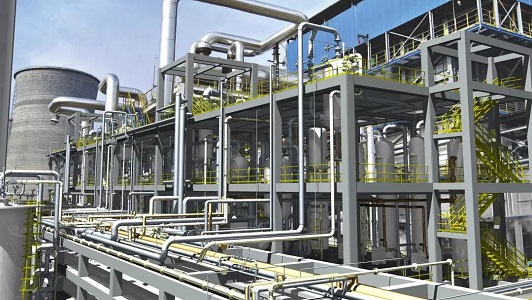
Copper sanitary valves are very common in factories. They’re also one of the essential materials. What are the common types of copper sanitary valves? 1. Copper sanitary gate valve: The opening and closing member of the gate valve moves along the vertical direction of the axis of the channel. It’s mainly used in the pipeline to […]
Read moreThe Proper Ways to Select Steam Solenoid Valve

A solenoid valve is a kind of automated basic component that is used to control the direction of the fluid. It is a kind of actuator and is usually used for mechanical control and industrial valve. It controls the direction of the medium so as to control the opening and closing of sanitary valves. There’s […]
Read moreThe Difference Between Sanitary Valves And Industrial Valves
What is a sanitary valve? Hygienic valve is used in the occasion which needs higher hygiene requirements, from the shape and function, it can be said to be no different from ordinary valves. That is to say, the difference between a sanitary valve and an ordinary valve is that they are made of different materials […]
Read moreThe Structural Type and Features of Parallel Slide Valves
Based on advanced sanitary valve body technologies, the parallel slide valve has been further upgraded in terms of valve body structure, sealing form, actuating device, and electrical control. Its product structure is simple, size is small, weight is light, fluid resistance is small. It’s not easy for the medium to precipitate in the valve body. The […]
Read moreHow Does a Steam Trap Works?
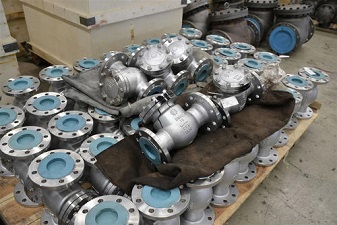
Currently, there are many models of steam traps. Their mechanism is to use the differences of steam and condensate water in height, temperature, and flow rate to open or close steam traps through various devices in order to achieve the purpose of steam drainage. It has three main energy-saving effects. 1. It can rapidly discharge […]
Read moreDesign and Construction for Sanitary Fluid Processing Equipment
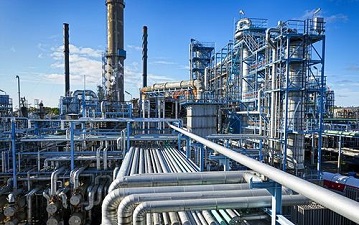
It’s known to all that in the food and beverage industry, nothing is so critical as sanitation and safety. This requires that the whole set of sanitary fluid processing equipment, including sanitary valves, fittings, pumps, and other pieces, be designed, fabricated, constructed, and installed according to sound sanitary design principles. Equipment that does not meet basic sanitary design principles, […]
Read moreThe Reason for the Mechanical Noise of Regulating Valve
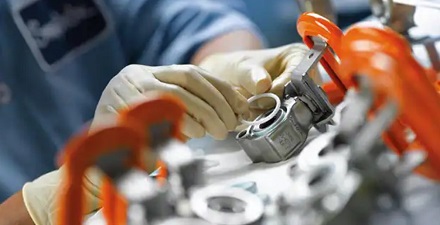
In regulating systems, the mechanical noise generated by sanitary regulating valve comes mainly from the valve core, valve stem, and some of the movable parts. The influence of fluid pressure fluctuations, impact from the fluid, and the gap between the side edge of the sleeve and the pilot device of the valve body will all lead […]
Read more