Category: Valve Operation
Are All Valves Closed Clockwise and Opened Counterclockwise?
In daily life, we use many valves. We might follow a simple rule: “Turn right to tighten (clockwise), turn left to loosen (counterclockwise).” But is this rule always true? Are all valves really closed clockwise and opened counterclockwise? The answer is: Yes, in most cases. But there is a very important exception. The General Rule: Righty-Tighty, […]
Read moreWhere Should a Check Valve Be Installed?
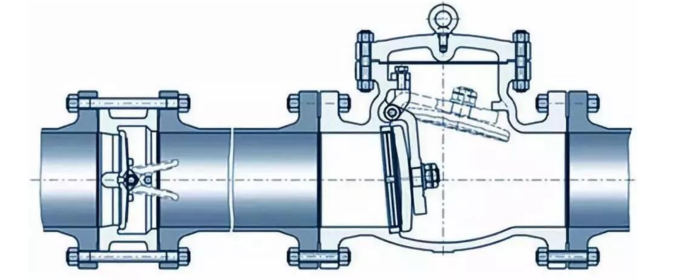
How is the installation location of a check valve determined? What is the difference between installing a check valve before the pump versus after the pump? Where is pre-pump installation suitable? Check valves are often used with other valves. So, where should the check valve be installed when used in combination with other valves? Let’s […]
Read moreGuide to Choose Sanitary Butterfly Valves
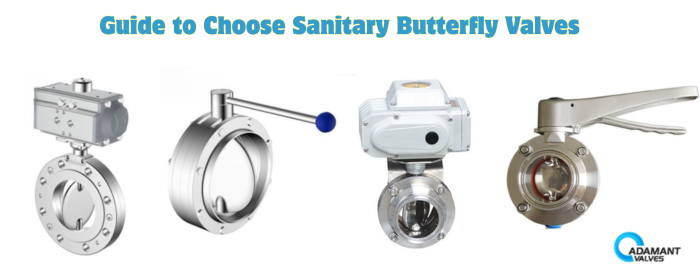
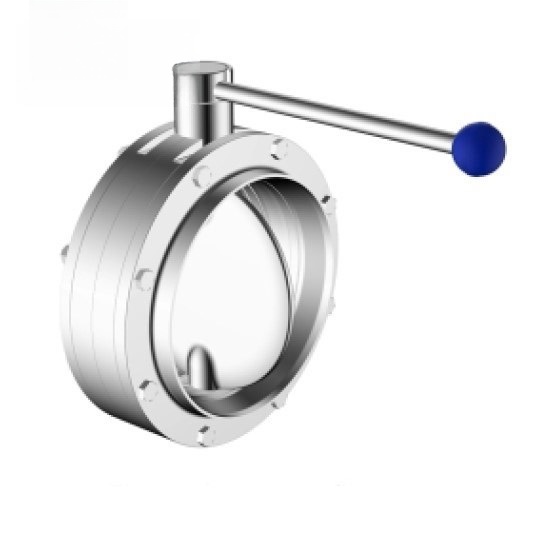
Sanitary butterfly valves are key parts in fluid control systems. They are widely used in industries with strict hygiene needs, like food, beverage, pharma, biotech, and cosmetics. These valves help control fluid flow accurately while keeping the product safe from contamination. Picking the right type and size is very important. It affects how well the […]
Read moreWhat to Do If a Sanitary Valve Leaks or Gets Stuck
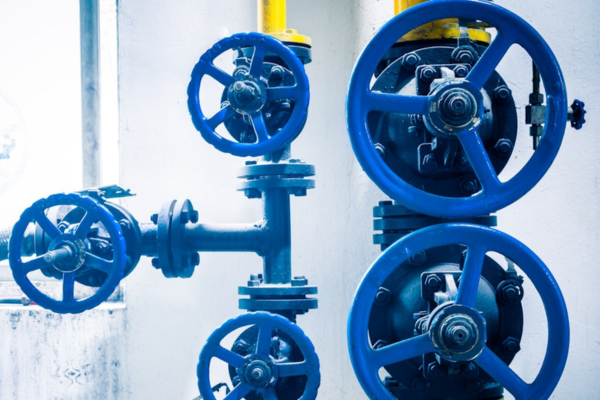
Sanitary valves are essential parts of piping systems. Sanitary valves are used in pharma and food industries. When sanitary valves leak or clog, problems arise. Production can be put behind schedule. Product quality is compromised. Understanding why this happens and how to repair it is essential. Why a Sanitary Valve Could Leak and How To […]
Read moreSeat Leakage Classifications for Sanitary Valves
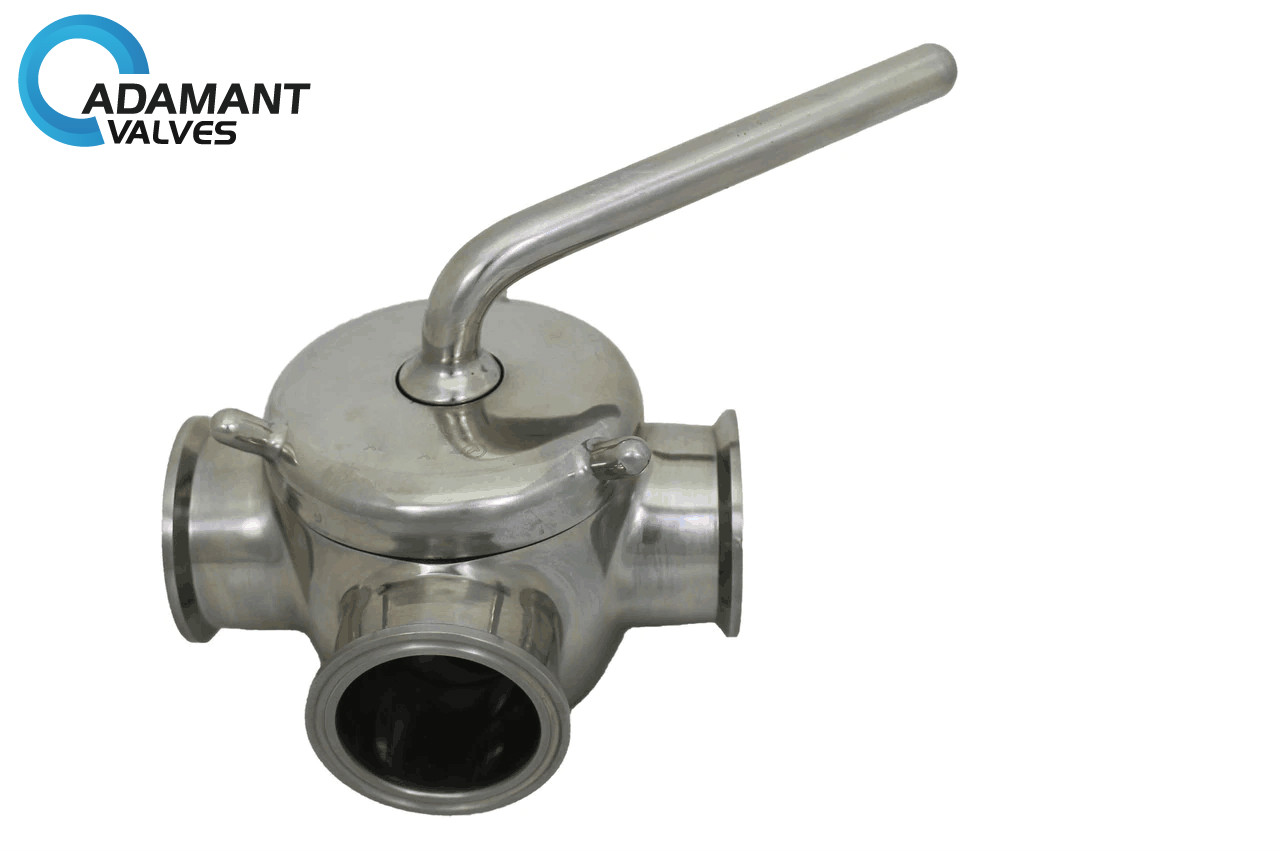
When selecting or operating sanitary valves, the seat leakage is a very important consideration that you shouldn’t skip. To have a better understanding of this factor, it’s a must to know some relative terms and definitions: Seat Leakage: the quantity of test fluid passing through an assembled valve in the closed position under the test conditions as […]
Read moreWhat Cause The Valve Sealing Surface Damage?
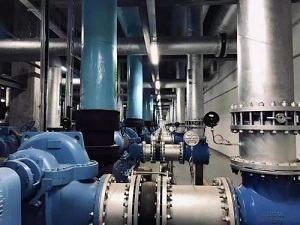
The sealing surface of the regulating valve is one of the most important working surfaces of the valve. Whether the material selection is reasonable and its quality directly affects the function and service life of the sanitary regulating valve. As the use of regulating valve is very wide, the working condition of the sealing surface varies […]
Read moreFunctioning Mode of Pilot-operated Sanitary Relief Valves
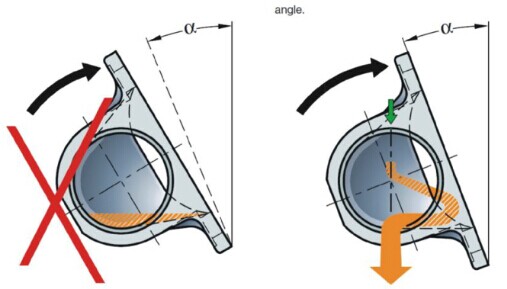
How do pilot-operated relief sanitary relief valves work? The pressure of a pilot-operated sanitary relief valve is provided on the upstream side (the system being protected) at the dome often by a small pilot tube. The downstream side is the pipe or open-air where the PORV directs its exhaust. The outlet pipe is usually larger […]
Read moreCommon Causes of Valve Sealing Failure and Leakage
Sanitary valves are control components that provide diversion, cut-off, throttling, check, diversion or overflow, and pressure relief in pipeline fluid conveyance systems. Valve sealing is a critical factor when safely processing and transporting fluids and gases. Even a small valve seal failure or a slowly dripping valve leak can quickly lead to a catastrophic flood, […]
Read moreTypical Failures of Pilot Relief Valve
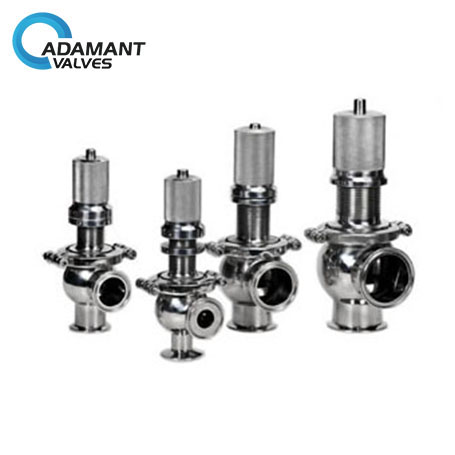
With the development of construction machinery hydraulic system towards the direction of medium, high and ultra-high pressure, pilot relief valve is widely used in the oil control pipelines of construction machinery hydraulic systems. In practice, in order to maximize its efficacy and protect the control system, accurate and timely diagnosis and troubleshooting of sanitary relief valve […]
Read moreHow to use Pneumatic Sanitary Valves?
The pneumatic sanitary valve adopts standard electronic polishing, a smooth surface to ensure the cleaning, and it has no media accumulation area and will not generate potential pollution, which is widely used in food, pharmaceutical, cosmetic, clean steam, liquor, beverage, and biochemical industrial process control. Attention should be paid to the use of the pneumatic sanitary valve […]
Read more