Category: Sanitary Ball Valves
Why The Sanitary Ball Valves Are Useful?
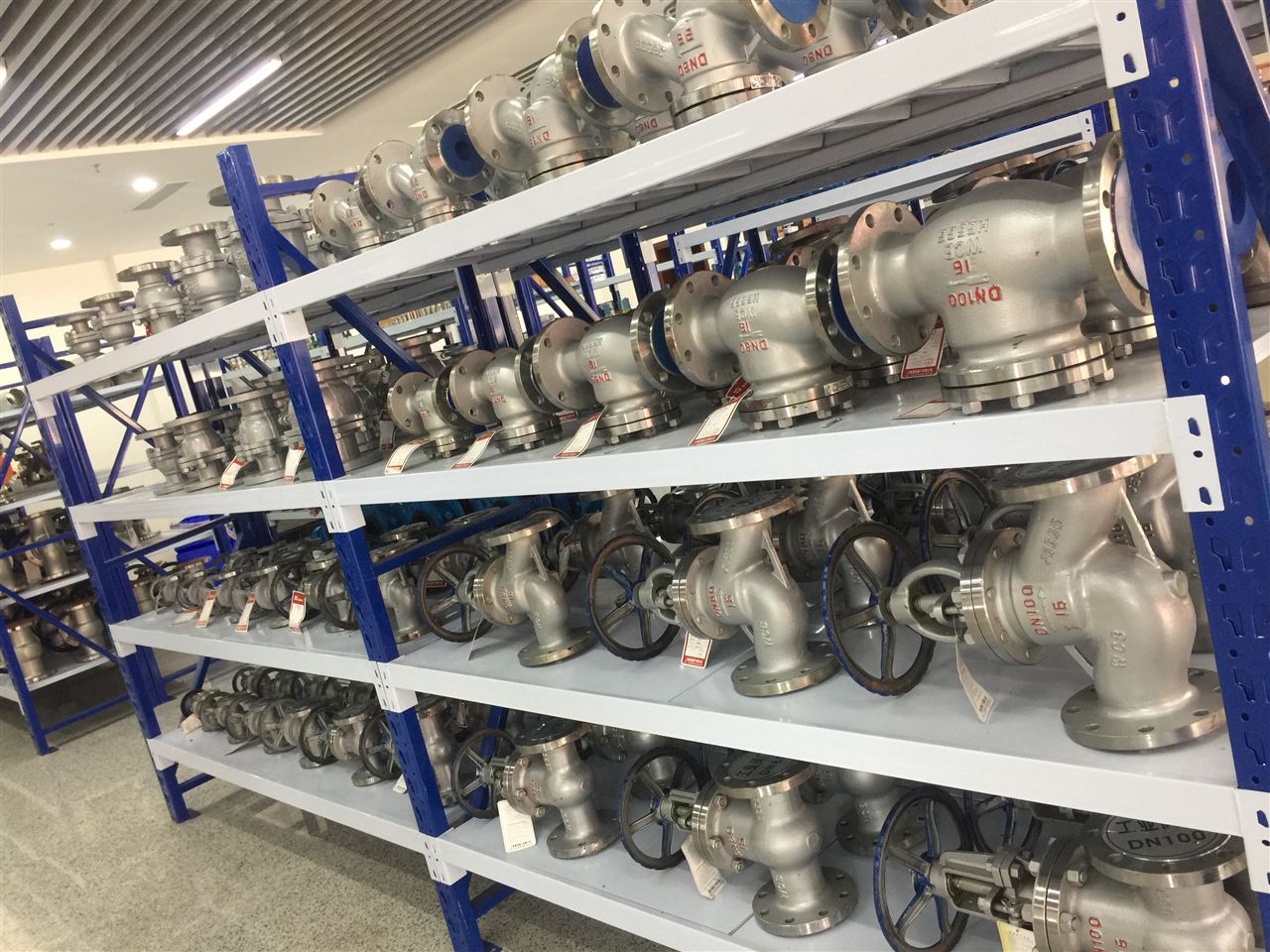
A spherical disc is attached to the ball valves. It is the part of the valve which controls the flow from beginning to end. The disc, the sphere has a hole through the middle with both the ends of the valve, which enables the flow to take place. While the valve is closed, the flow […]
Read morePneumatic Ball Valve Common Faults
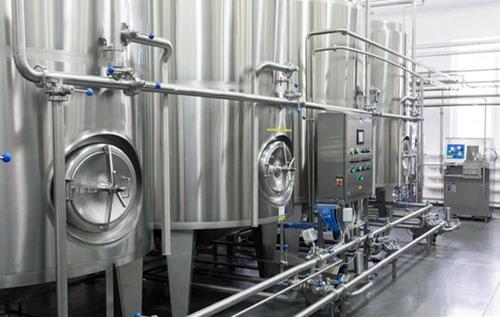
Symptom 1: Sanitary Pneumatic ball valve unable to operate Checking items: 1. Check the status of the solenoid: whether the coil is burned or the solenoid valve core gets stuck. 2. Perform a separate air supply test on the pneumatic actuator to check that the seal and cylinder are damaged. 3. Check if there is any foreign […]
Read moreThe Difference Between Fixed and Float Ball in Ball Valves
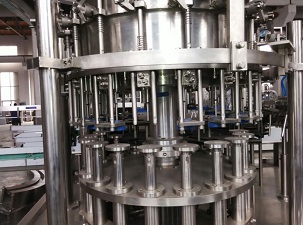
Sanitary ball valves are suitable for frequent operations. They open and close quickly, are lightweight, have a small fluid resistance, a simple structure, a relatively small size, are easy to maintain, have a good sealing performance, are not subject to restrictions of installation directions, have no vibration, and have low noise. What are the types of […]
Read moreThe Best Solution to Sanitary Ball Valves
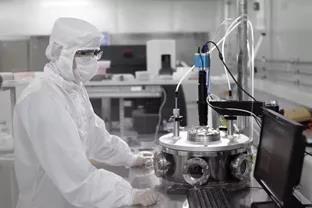
Sanitary ball valves have a ball attached to a handle and they are opened by simply turning the handle. The ball was designed with a hole going through the middle. If the hole coincides with both ends of the valves, water flows and you can get the water on the other side of the faucet. […]
Read moreThe Overview of Internal Thread Connection Ball Valve
The internal thread connection ball valve can be divided into integral type (one-piece), two-piece type, and three-piece type. The casting of the valve body uses an advanced technique so that the valve’s structure is reasonable and appears beautiful. The valve seat uses an elastic sealing structure. The sealing is reliable and the opening and closing […]
Read moreSix Characteristics of the Ball Valve
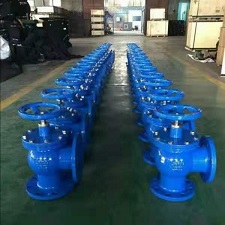
What is Sanitary Ball Valve? Sanitary Ball valve is the advent of a new type of valve in the 50s of the last century. Over 30 years, the ball valve has developed into a major kind of valve, which is widely used in aerospace, petrochemicals, long-distance pipelines, light industrial products, construction, and many other fields. This is […]
Read moreWhat are the Advantages of Two-piece Ball Valves?
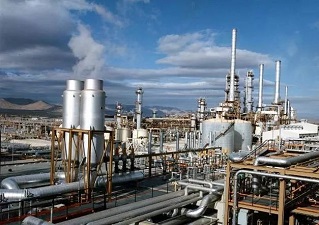
What are the Advantages of Two-piece Ball Valves? The Advantages of Two-piece Sanitary Ball Valves include the following: 1. The fluid resistance is small. The resistance coefficient is equal to that of the pipe of the same length. 2. Simple structure, small size, lightweight. 3. Tight and reliable. Plastics are widely used in sealing materials of […]
Read moreWhat Are the Benefits of Sanitary Ball Valves?
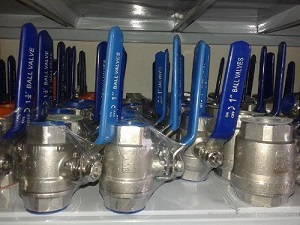
What is a sanitary ball valve? Sanitary ball valves are among the common sanitary valves on the market. In simple terms, it works with a quarter turn to regulate the water flow. This valve consists of a spherical washer and therefore it is usually called a ball valve. It has a ball-like structure with a […]
Read moreWhat is Mounted Ball Valve?
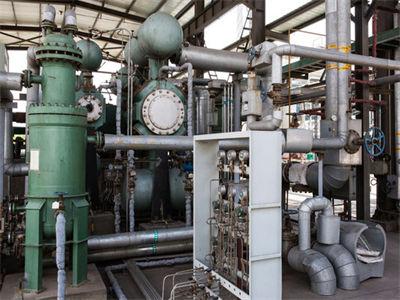
What is a mounted ball valve? The mounted ball valve is widely used in petroleum and natural gas pipelines, as well as in petroleum refining, petrochemical, chemical, chemical fiber, metallurgical, electric, nuclear, food, and other devices. It’s easy and quick to remove the mounted ball valve from the pipelines. And the maintenance is also easy […]
Read moreSix Characteristics of the Ball Valve (2)
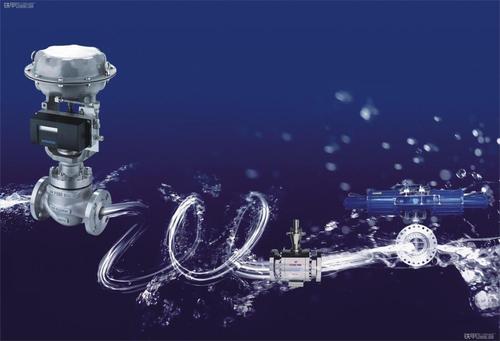
Precious part (3) Good sealing. At present, the vast majority of valve seats are made of polytetrafluoroethylene and other flexible materials. Seals are composed of metallic and non-metallic materials often referred to as soft seals. In general, the soft seal of the seal is easy to guarantee, but also on the sealing surface the machining accuracy […]
Read more