Category: Sanitary Shut-off Valve
What are the Uses of Shut-off Valve?
What are the Uses of Shut-off Valve? 1. The structure of the shut-off valve is simpler than that of the gate valve. It’s easy to manufacture and repair. 2. The sealing surface of the shut-off valve is not easy for wear and abrasion. The sealing performance is good. There is no relative sliding between the […]
Read moreWhat is a Shut-off Valve?
A sanitary shut-off valve is a kind of mandatory sealed valve. When the valve is closed, pressure must be applied to the valve gate to ensure the sealing surface doesn’t leak. When the medium enters the valve from below the valve gate, the resistance the operating force needs to overcome is the friction between the valve stem and […]
Read moreIntroduction of Forged Steel Flange Shut-off Valve
A forged steel flange shut-off valve is a kind of valve whose closing member (valve flap) moves along the centerline of the valve seat. According to this type of movement of the valve flap, the change of the valve seat outlet is proportional to the stroke of the valve flap. Because the opening and closing […]
Read moreThe Features of Duplex Stainless Steel Shutoff Valves
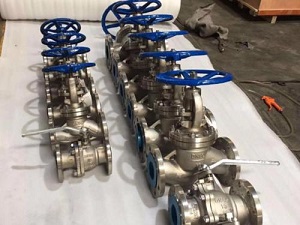
The excellent performance of an all-forged duplex stainless steel sanitary shutoff valve is determined by the performance of the materials and the structural characteristics of the valve itself. So, let’s first take a look at the characteristics of the duplex steel. The so-called “duplex stainless steel” is a kind of steel in which the ferrite phase […]
Read moreIntroduction of Brass Shut-off Valve
The brass shut-off valve is one type of shut-off valve. Its main material is brass. Brass is also known as a copper-zinc alloy. It is most commonly known as three seven brass, referring to the proportion of zinc and copper in it. Due to its good mechanical properties and processing performance, it is widely used. […]
Read moreSix Advantages of Bellows Sealed Shutoff Valves
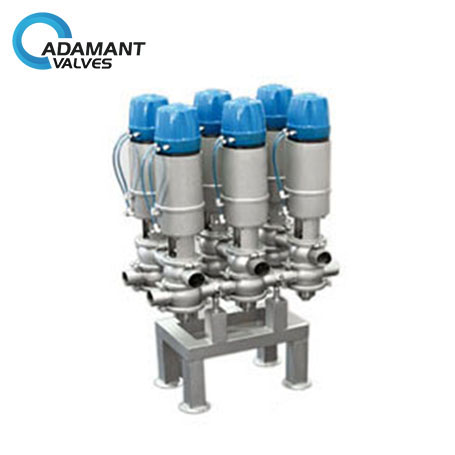
What is a Bellows Sealed Shut-Off Valve? The bellows-sealed shut-off valve is a highly specialized valve used to control flow rates in many industrial processing systems. It is suitable for various working condition pipelines in petroleum, chemical, pharmaceutical, fertilizer, electric power, and other industries to cut off or connect pipeline mediums. The critical component of […]
Read morePressure Testing Methods for Shutoff Valves
How to pressure test a sanitary shutoff valve? Sanitary shutoff valves play a critical role in almost any fluid, gas, or slurry system. We depend on shutoff valves to provide dependable on and off functionality and specific flow rates in residential, commercial, and institutional applications. While many are utilized routinely, they can also provide safety […]
Read moreThe Principle of Selecting Shut-off Valve

What is a Shut Off Valve? A shut-off valve is a valve whose closing member moves along the centerline of the valve seat. According to the type of movement of the valve flap, the change of diameter of the valve seat is proportionate to the stroke of the valve flap. Because the opening and closing […]
Read moreSanitary Shut-off Valve Applications (1)
1. Needle sanitary shut-off valve A needle sanitary shut-off valve is a small gauge globe valve that opens and closes and precisely controls flow in the instrumentation piping system. They are mainly power station instrumentation series, oilfield series, and American standard series. 2. Low-temperature sanitary shut-off valve Low-temperature globe valves are usually globe valves with operating […]
Read moreThe Advantages of Ultra High Pressure Shut-off Valves
What is a high-pressure shut-off valve? The high-pressure shut-off valve is mainly used in industries that have high requirements for pressure. The conventional connection method is welding and threading. The high-pressure shut-off valve is mainly used in the chemical and pharmaceutical fields. Since it’s welded, it’s not convenient for replacement. It’s mainly suitable for occasions […]
Read more