
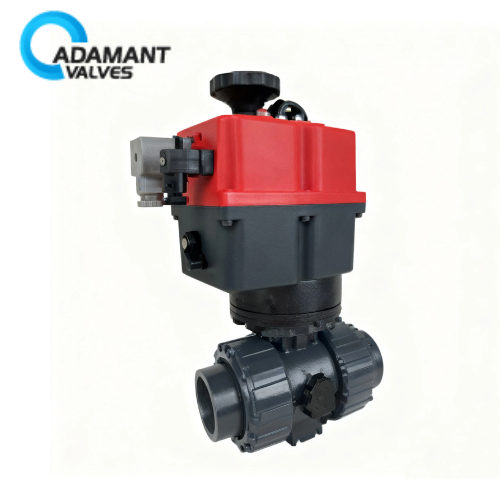
AV-2-S0654 Electric Actuated PVC Ball Valves 24 to 240 Volt (1/2 NPT) Category
| Parameter | Value |
| Size | 1/2 NPT |
| Material | PVC |
| Seal Options | Teflon/EPDM |
Electric Actuated PVC Ball Valves 24 to 240 Volt (1/2 NPT) Description
Electric Actuated PVC Ball Valves 24 to 240 Volt (1/2 NPT) control fluid flow in applications where sanitary processing is required. They are used in water treatment, food processing, and chemical handling installations to regulate media under moderate pressures.
Key Features:
– Electric Actuation: Utilizes an internal actuator to open or close the valve without manual intervention.
– PVC Construction: Uses PVC material to provide chemical resistance and suitability for clean fluid applications.
– Voltage Flexibility: Operates with an electrical input across a wide range (24-240V AC/DC) to suit diverse installation requirements.
– Pressure Management: Rated for 232PSI to support pressure ratings applicable in sanitary environments.
– Seal Integrity: Incorporates Teflon/EPDM seals to maintain proper isolation and reduce leakage.
– Cycle Efficiency: Completes a 90° operation in 9 seconds to facilitate timely process adjustments.
Electric Actuated PVC Ball Valves 24 to 240 Volt (1/2 NPT) Specifications
| Specification | Details |
| Size | 1/2 NPT |
| Material | PVC |
| Pressure | 232PSI |
| Seal Options | Teflon/EPDM |
| 90° Cycle Time | 9 s |
| Voltage | 24-240V AC/DC |
*The above product information is based on theoretical data and is for reference only. Actual specifications may vary.
Electric Actuated PVC Ball Valves 24 to 240 Volt (1/2 NPT) Applications
- Water Treatment: Employed to regulate flow in systems requiring sanitation and chemical resistance.
- Food & Beverage: Applied in processing facilities where smooth valve operation assists in maintaining sanitary conditions.
- Chemical Processing: Used in installations that handle fluids under high pressure with moderate corrosivity.
- HVAC & Plumbing: Integrated within systems demanding controlled fluid distribution and periodic actuation.
Be the first to review “AV-2-S0654 Electric Actuated PVC Ball Valves 24 to 240 Volt (1/2 NPT) Category”
Related Products
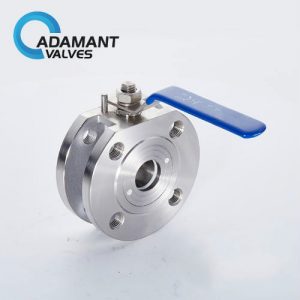
AV-1HMU High-Performance Manual Ultra-Thin Ball Valve with Flange Connection
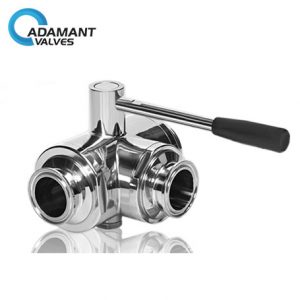
AV-2MFC3 Sanitary Stainless Steel 3-way Ball Valve with Tri-clamp Ends, Manual Type
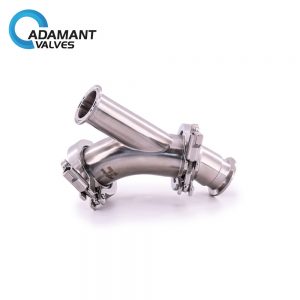
AV-2TCY Tri-Clamp Y-Ball Check Valve
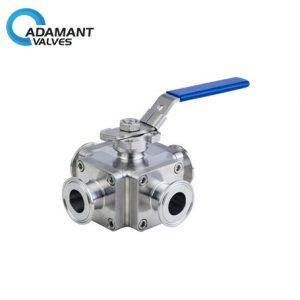
AV-2MFC4 Sanitary 4-Way Cross Ball Valve with Tri-Clamp Ends, Manual Type
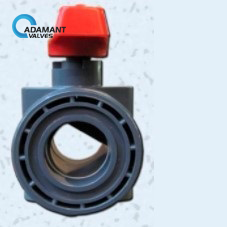
AV-2VP PVC V-Port Ball Valve

Reviews